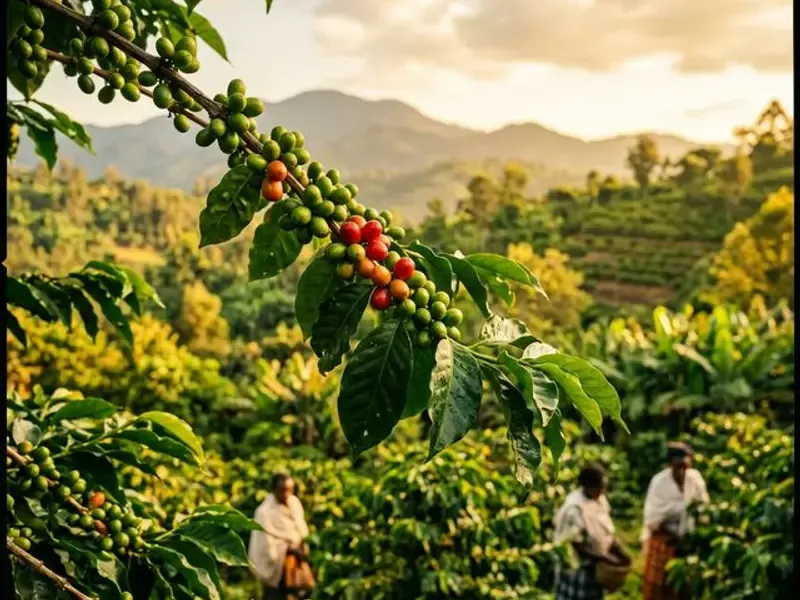
Ethiopia Yirgacheffe: Where Floral Coffee Begins
Yirgacheffe is practically a synonym for coffee itself, known for its distinctive floral, citrus and berry character. The story behind the legendary region, and how it tastes.
Yirgacheffe is one of the most recognized coffee origins in the world, known for its floral aromatics, citrus acidity and tea-like body. Grown in southern Ethiopia between 1,700 and 2,200 masl, it’s treated across the specialty industry as the gold standard. If you want to taste coffee at its most expressive, this is the region to start with.
Ethiopia: Where Coffee Was Born
You can’t talk about Yirgacheffe without starting with Ethiopia — coffee’s homeland.
The legend goes that in the 9th century, an Ethiopian goatherd named Kaldi noticed his goats getting unusually lively after eating a certain red fruit. The story has outlived a thousand years, and those red fruits were coffee cherries.
Ethiopia still holds the most genetically diverse coffee on the planet: thousands of native varieties grow within its borders, many never formally classified. For comparison, most coffee-producing countries grow fewer than ten.
Where Is Yirgacheffe?
Yirgacheffe sits in the Gedeo zone of Ethiopia’s Southern Nations region. The essentials:
| Factor | Detail |
|---|---|
| Altitude | 1,700–2,200 masl |
| Climate | Tropical highland, 15–25°C annual average |
| Rainfall | 1,200–1,800mm per year |
| Varieties | Native heirloom varieties |
| Processing | Washed, natural |
The cool temperatures that come with that altitude slow cherry maturation, which lets more flavor compounds accumulate — the core reason Yirgacheffe tastes the way it does.
What Yirgacheffe Tastes Like
Washed Yirgacheffe
Washed processing is all about cleanliness and transparency:
- 🌸 Floral: jasmine, chamomile
- 🍋 Citrus: lemon, bergamot
- 🍑 Stone fruit: peach, apricot
- 🫖 Tea-like: as clean and light on the palate as tea
Natural Yirgacheffe
Natural processing brings a much fuller fruit character:
- 🫐 Berry: blueberry, strawberry, raspberry
- 🍷 Winey: a touch of red-wine ferment
- 🍫 Cocoa: dark chocolate on the finish
- 🍯 Honeyed sweetness: noticeably sweeter
How to Drink Yirgacheffe
Recommended brew methods
V60 pour-over or AeroPress. A light roast with a medium-fine grind and water at 90–92°C brings the floral layers through in full. For the full method, see our complete pour-over guide.
- Grind: medium-fine
- Water temperature: 90–92°C
- Ratio: 1:15
- Skip the sugar and milk: black is where the origin character comes through
Tasting tips
- Smell the dry grounds while they’re hot — the florals are at their most obvious
- Sip in small amounts and let the coffee coat your whole tongue
- Pay attention as it cools: Yirgacheffe reveals different layers at different temperatures
- It’s excellent gone cold, too — the sweetness and fruit become more pronounced
Why Is Yirgacheffe So Expensive?
Specialty-grade Yirgacheffe typically costs three to five times what ordinary commodity coffee does. The reasons:
- Hand picking: only cherries at peak ripeness get harvested
- Labor-intensive processing: both washed and natural take significant time and manpower
- Low yields: high-altitude environments simply produce less
- Quality grading: multiple rounds of sorting and cupping
- Global demand: it’s a star region in the specialty market, and supply doesn’t keep up
Rhine Coffee’s Yirgacheffe
Our Ethiopia Yirgacheffe is a hand-selected washed lot with the classic jasmine aromatics and citrus acidity. Our baristas brew it as pour-over and send it straight to you.
Want to know what “drinking a garden” tastes like? See the pour-over menu. You can also read more about our Ethiopian beans.
FAQ
Is Yirgacheffe good for people new to specialty coffee?
Very much so. The floral and fruit notes are easy to pick up without much experience, and there’s none of the heavy bitterness of a dark roast. Start with a washed lot.
How is Yirgacheffe different from Kenya AA?
Both are flagship African coffees. Yirgacheffe leans floral, tea-like and gently acidic; Kenya AA has sharper, brighter acidity with far more blackcurrant and tomato character.
How can I tell a genuine specialty Yirgacheffe?
Check the bag for the growing region (Yirgacheffe/Gedeo), altitude, processing method and roast date. Beans that come with that information are usually the better ones.
ORDER NOW
What kind of coffee are you having today?
Single-origin beans, La Marzocco espresso machine, made to order — delivered in 25 min