RHINE OPEN RECIPE
Cappuccino
卡布奇諾
Thick, velvety foam over a bold espresso base
- Yield
- 1 drink
- Time
- 8 min
- Level
- Intermediate
- Made by Rhine
- NT$80
01 · STORY
Origin & culture
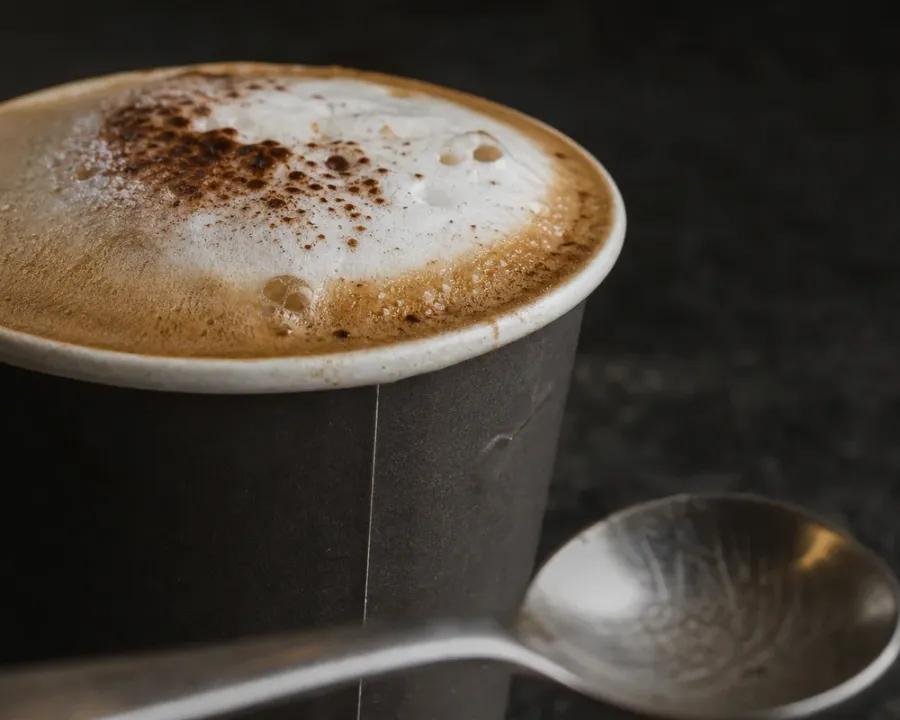
Cappuccino is commonly associated with the brown color of Capuchin robes. It shares latte’s core ingredients but uses less milk and more foam, leaving espresso more vivid and the texture lighter.
Traditional cappuccino is not three rigid equal layers. Espresso, hot milk and microfoam create higher coffee intensity with a lighter feel. A smaller cup preserves strength; extra aeration adds volume while bubbles remain fine.
02 · METHOD
Professional home recipe
This open recipe is designed for home equipment. Adjust extraction slightly for your beans, water and machine.
- Espresso
- 18 g → 36 g
- Milk
- 110–125 g
- Aeration
- 4–5 sec · finish 55–60°C
Method
-
Extract
Extract 36 g espresso into a preheated 180–200 ml cup.
-
Build foam
Aerate for 4–5 seconds, longer than a latte, then polish the bubbles in a whirlpool.
-
Pour
Combine the liquid milk with espresso first, finishing with a thicker cap of microfoam.
03 · VARIATIONS
Barista variations
Stabilize the standard recipe first, then use these controlled changes to tune sweetness, body and aroma. Each variation explains both the change and its effect.
Classic intense
Use 100 g milk in a 170–180 ml cup with four seconds of aeration for a more traditional, espresso-led profile.
Cocoa-cinnamon aromatic
Dust only 0.2 g cocoa and a tiny pinch of cinnamon on top; aroma increases perceived sweetness without added sugar.
04 · CALIBRATION
Troubleshooting
Large soap-like bubbles
Hold the tip consistently about 0.5–1 cm below the surface, then refine with a whirlpool.
Thick foam but separated drink
Swirl and pour within ten seconds of steaming; do not let the pitcher sit.
WHO · HOW · WHY
Recipe and editorial review
Rhine CoffeeRecipe development and editorial review · Last reviewed August 6, 2026
How this recipe was prepared
Each recipe is written for one finished drink using weights, measured temperature, extraction time and observable texture instead of vague spoonfuls. The café concept is translated for home equipment, with sensory targets and troubleshooting so readers can calibrate for their beans, water and tools.
Why we publish it
Delivery distance should not gatekeep a good cup. We publish methods people can actually use: curious brewers get the full process, while anyone who wants to skip the preparation can still leave the details to Rhine.
MAKE IT YOURS
Too far away? Make it at home.
If delivery does not reach you yet, use the exact ratios, temperatures and sequence here to make a café-standard drink at home.
MADE BY RHINE
Prefer the easy route? Leave it to Rhine.
Skip the weighing, temperature control and milk practice. We will handle the details and deliver the finished cup.
Let Rhine make it